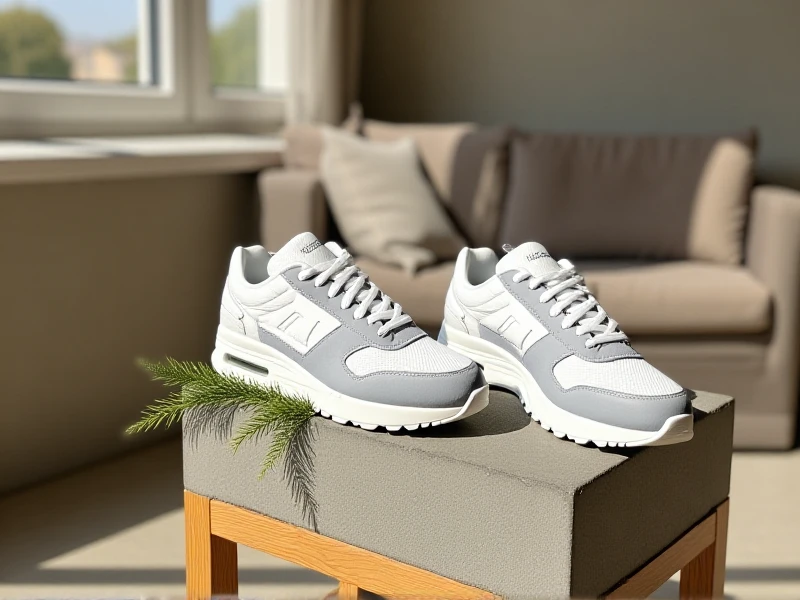
Choosing the Perfect Pair: Your Ultimate Guide to Sports Shoes
Finding the right sports shoes isn't just about style; it's about unlocking peak performance and safeguarding your feet. With countless options flooding the market, selecting the ideal pair tailored to your specific activity and foot type can feel overwhelming. Understanding the key features and purposes of different sports shoes is crucial for any athlete or fitness enthusiast.
Performance starts from the ground up. Running shoes, for example, prioritize shock absorption and cushioning to protect joints during repetitive strides on pavement or trails. Popular brands like Nike and Adidas offer models with responsive midsoles, while Brooks often focuses on stability for overpronators. Look for ample cushioning and a secure fit around the heel.
If your focus is the gym or cross-training, gym and training sneakers prioritize stability and lateral support. They need a durable, grippy outsole for multi-directional movements like side lunges, box jumps, or weightlifting. Less cushioning than running shoes ensures better ground feel for squats and deadlifts. Brands like Reebok Nano and Nike Metcon are consistently top choices here.
For court sports like basketball, tennis, or volleyball, court shoes are non-negotiable. They demand exceptional ankle support, reinforced toe guards for frequent stops and starts, and outsoles designed for indoor court traction patterns. Think high-tops for basketball and specialized lateral support for quick tennis movements. Always consider the surface – hard court versus clay requires different sole patterns.
Don't neglect the importance of foot shape and arch type! Visit a specialized store for a gait analysis if possible. What works perfectly for a friend might cause you blisters or discomfort. Key aspects are size (leave a thumb's width at the toe), width, and sufficient arch support. Ill-fitting sports shoes are a recipe for injury.
Finally, durability matters. Quality sports shoes are an investment. Rotating between two pairs can extend their lifespan significantly. Know when to replace them – typically after 300-500 miles for runners, or when you notice significant midsole compression or worn tread patterns.
Ultimately, the best sports shoes perfectly marry function with comfort. Prioritize support and performance for your specific activity over fleeting trends. Are you ready to step up your game? Investing time in finding your perfect match pays dividends in performance and injury prevention. What feature matters most to you in your athletic footwear?